

اگر این سؤال برایتان پیش آمده که بهترین سن برای ارتودنسی دندان چه زمانی است، احتمالاً یا والد کودکی هستید که تازه دندانهای دائمیاش در حال رویش است، یا خودتان در سنین نوجوانی یا بزرگسالی به ارتودنسی فکر میکنید اما نمیدانید دیر شده یا نه. The fact is that the right age for orthodontics is not a fixed number for everyone and it depends on the type of dental or jaw problem, the time of jaw growth and the condition of each person.
In this article, with the clinical experience of Dr. Farinaz Shirban, an orthodontic specialist and faculty member of Isfahan University, we will clearly examine how many years is the orthodontic age, why is 7 years old known as the golden age of examination, what does the minimum and maximum age of orthodontics mean, and is orthodontics at the age of 20, 30, 40 or even 50 years old? Is it possible or not.

What is the appropriate age for examination for orthodontic treatment?
Many parents think orthodontic examination means the beginning of treatment, while the two are different. The appropriate age for orthodontic examination is usually around 7 years old; The age when the first permanent teeth appear and the growth pattern of the jaw and teeth can be evaluated without necessarily starting treatment.
"The American Association of Orthodontists recommends that all children be evaluated by an orthodontist once by age 7. This early evaluation helps detect jaw or dental abnormalities in the early stages and, if needed, initiate appropriate measures before maturity."
Source: Orthodontics/Braces for Children – Johns Hopkins Medicine
At this age, the purpose of further examination is "early detection". In fact, the specialist checks whether the growth of the jaw and teeth are in the right direction or not. The result of this examination is usually one of the following:
- Only periodic monitoring without initiation of treatment
- Planning for follow-up in older age
- Suggest simple preventive measures in case of jaw problem
For this reason, the appropriate age for orthodontic examination should not be equated with the age of starting orthodontics. This examination helps to identify if a problem is developing before it becomes complicated and to make a treatment decision with calmness and awareness.
In some children, if the examination is done at this age, it is possible to control the growth of the jaw and the eruption of permanent teeth with simpler measures such as preventive orthodontics and prevent heavier treatments at an older age.

Minimum age for orthodontics; Is it good to start early?
When it comes to the minimum orthodontic age, the first thing to be clear is that not all orthodontic treatments are the same. Starting early does not always mean wiring the teeth and in many cases, the goal is just to guide jaw growth and prevent the problem from getting worse.
At younger ages, simpler treatments are usually used. Depending on the child's circumstances, these measures can include the following:
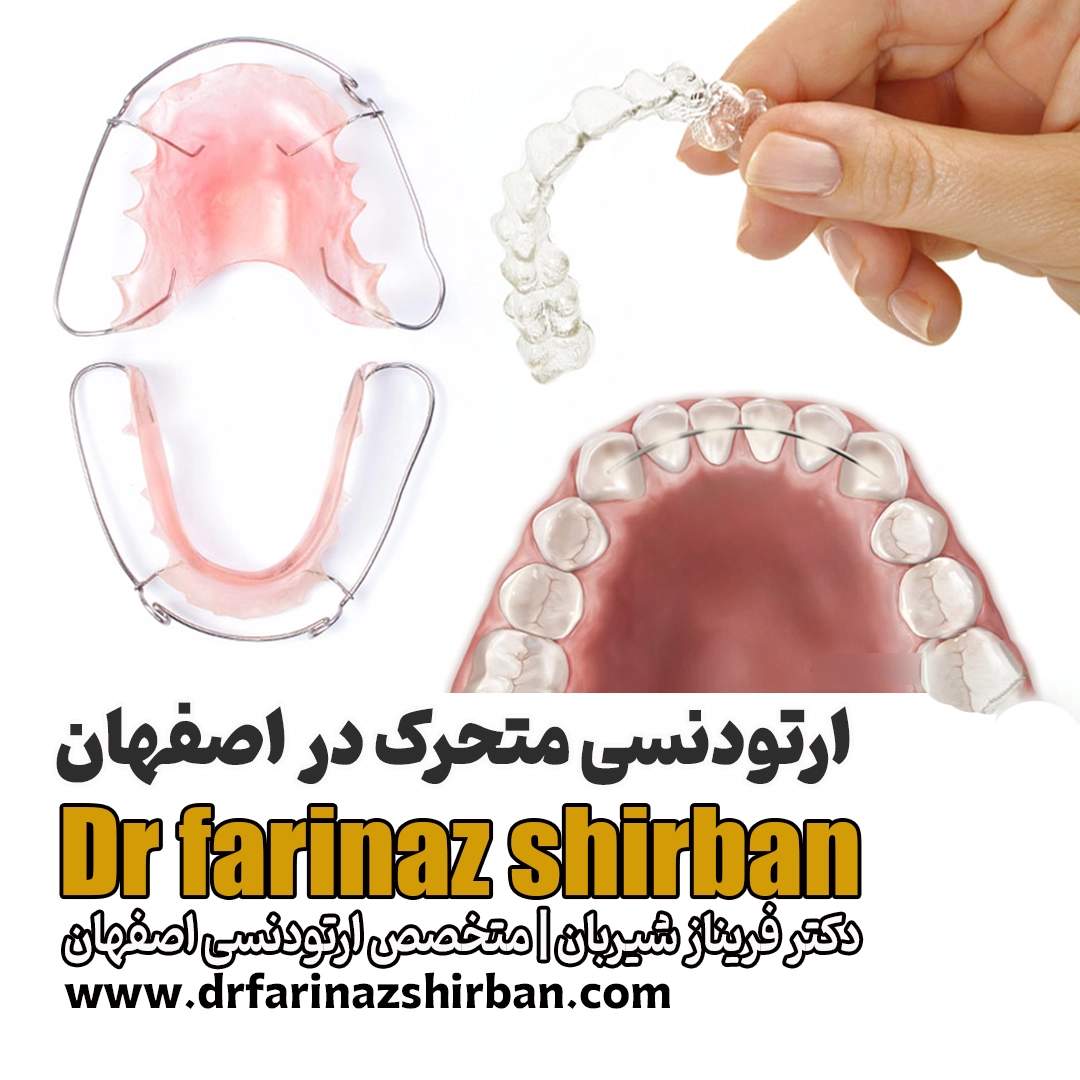
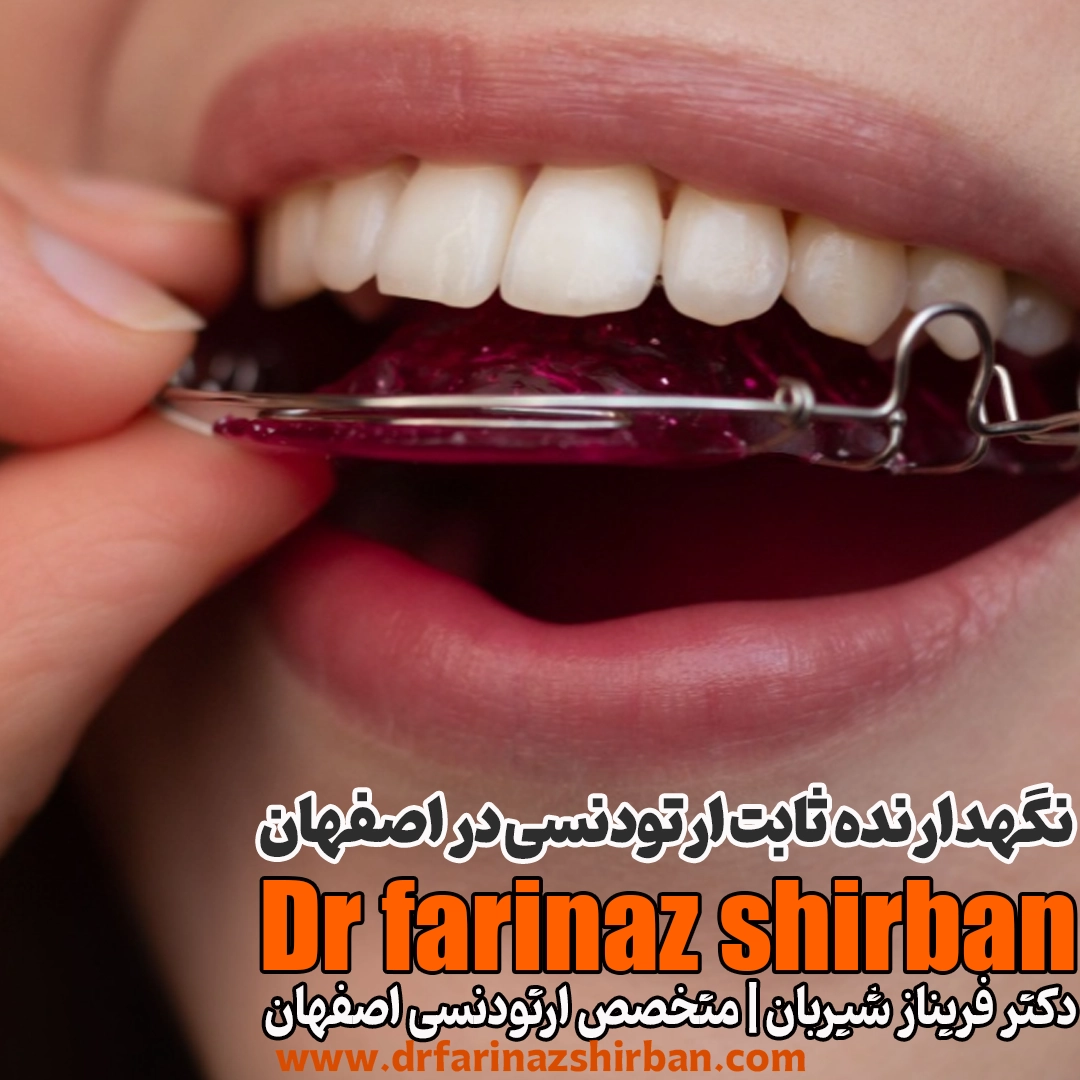
- Using removable orthodontics to control jaw growth
- Saving space in case of early fall of milk teeth
- Reduction of jaw abnormalities before permanent teeth fully erupt
For this reason, the beginning of orthodontic age in some children can be from about 6 to 8 years old, but this does not mean the beginning of fixed treatment. For fixed orthodontics, usually most of the baby teeth have fallen out, which often happens after the age of 11 or 12.
In fact, starting early is useful when the goal is prevention and control, not a rush to full cure. Correct diagnosis at this stage helps make the treatment path easier and shorter in the future.
Starting an orthodontic examination from the age of 7 allows us to guide the growth of the child's jaw and reduce the need for complex treatments in the future.
ــــ Dr. Farinaz Shirban, Orthodontist in Isfahan

بهترین سن ارتودنسی کودکان؛ تفاوت دختران و پسران
وقتی درباره بهترین سن ارتودنسی دندان صحبت میکنیم، باید به یک تفاوت مهم توجه داشت: زمان رشد فک در همه کودکان یکسان نیست. یکی از عوامل تعیینکننده در انتخاب بهترین سن ارتودنسی در کودکان، تفاوت الگوی رشد بین دختران و پسران است.
به طور معمول، جهش رشدی در دختران زودتر از پسران اتفاق میافتد. به همین دلیل، در برخی ناهنجاریهای فکی، بهترین سن ارتودنسی دختران ممکن است کمی زودتر در نظر گرفته شود. این تفاوت به متخصص کمک میکند تا درمان را در زمانی شروع کند که بیشترین اثر را روی هدایت رشد فک داشته باشد.
- دختران: معمولاً جهش رشد فک زودتر آغاز میشود و در بعضی موارد درمان فکی بین ۹ تا ۱۰ سالگی نتیجه بهتری دارد.
- پسران: رشد فک کمی دیرتر اتفاق میافتد و گاهی شروع درمان فکی به سالهای بعد موکول میشود.
با این حال، عدد سن بهتنهایی معیار تصمیمگیری نیست. سن مناسب ارتودنسی کودکان زمانی مشخص میشود که وضعیت دندانها، الگوی رشد فک و زمان رویش دندانهای دائمی در کنار هم بررسی شوند. به همین دلیل است که معاینه بهموقع اهمیت بیشتری از رسیدن به یک سن خاص دارد.
بررسی درمان ارتودنسی در سن بالا
یکی از پرتکرارترین سؤالها این است که آیا ارتودنسی سن خاصی دارد یا نه. بسیاری از افراد در بزرگسالی تصور میکنند که از سن ارتودنسی عبور کردهاند، در حالی که واقعیت چیز دیگری است. In orthodontic treatment, what is decisive is not the age number, but the condition of the gums, jaw bone and health of the teeth.
Simply put, there is no maximum orthodontic age in the form of a specific number. As long as the jawbone has the ability to respond to orthodontic forces and the tooth supporting tissues are healthy, it is possible to move the teeth. For this reason, talking about maximum age for orthodontics is more of a subjective concern than a real limitation.
What changes in older age is the speed of treatment, not its possibility. In adults, the movement of the teeth may be done a little slower and there is a need to be more careful in planning the treatment, but the principle of the treatment can still be done.
- Age alone does not prevent orthodontics.
- Gum and bone health play the main role.
- Treatment in old age may take more time, but it is not impossible.
As a result, if you have been thinking about orthodontics for a long time and only age has caused you doubts, it is better to know that the main limitation is not chronological age; The real limitation is the condition of the oral tissues.

The best age for orthodontic teeth according to the type of problem
The appropriate age for orthodontics depends on the type of deformity, its severity and the growth status of the jaw. For this reason, Dr. Farinaz Shirban, instead of focusing only on the chronological age, first evaluates the type of problem. In the table below, you can see how the appropriate age for dental orthodontics and the proposed treatment approach differ for each type of abnormality. This table is a quick and practical guide for parents and adults.
| type of abnormality | The right age for orthodontics | treatment approach |
|---|---|---|
| Being forward or backward of the jaw | 6 to 10 years old | Movable plate and guidance of jaw growth |
| Narrowness of the upper jaw and lack of space | 7 to 9 years old | palate expander (prophylactic treatment) |
| disordered teeth without jaw problems | 11 to 13 years old | fixed orthodontics |
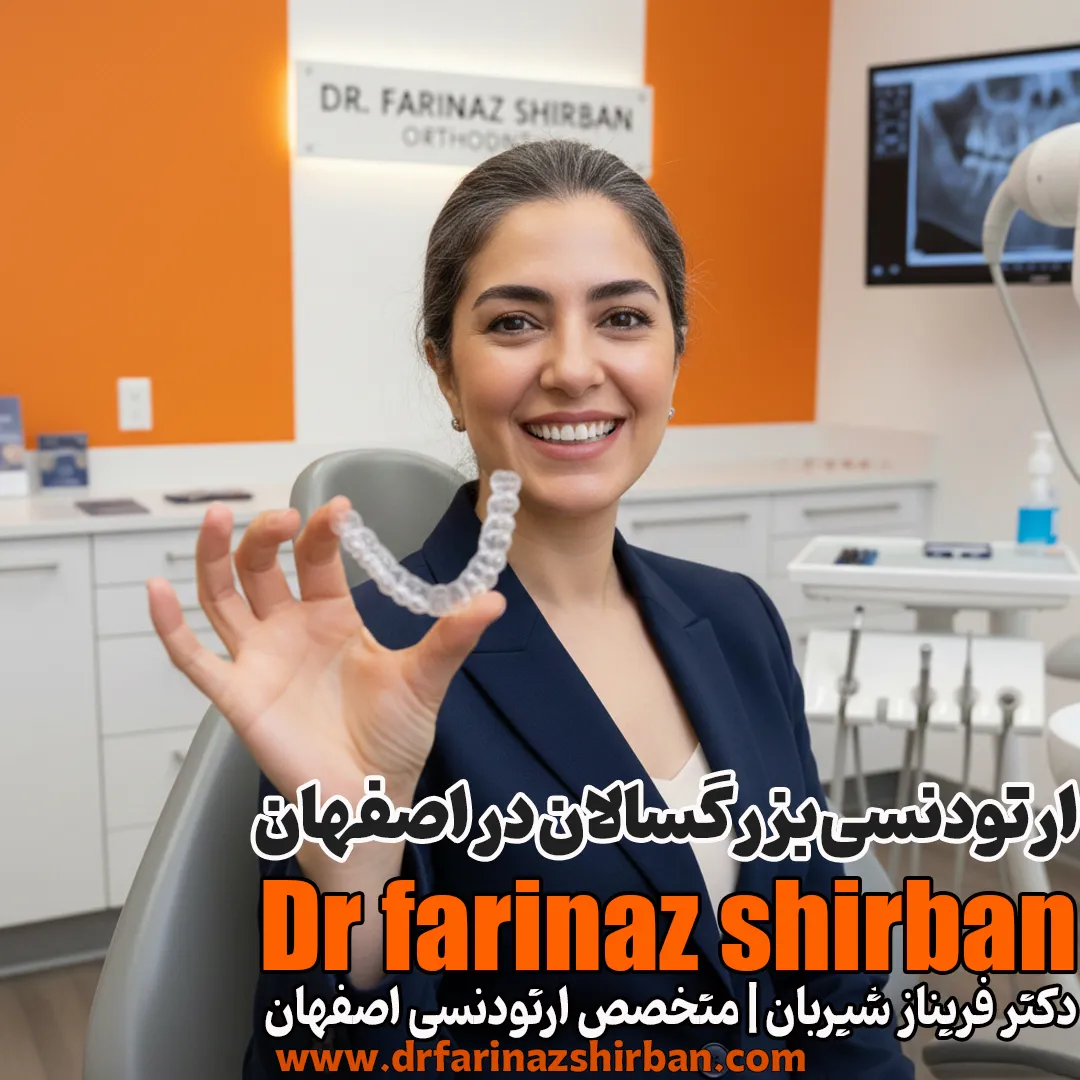
| distance between teeth | 12 years old and later | Fixed or transparent orthodontics |
| Anomaly of the jaw in adulthood | over 18 | Orthodontics combined with jaw surgery (in severe cases) |
As you can see, the appropriate age for dental orthodontics in jaw problems is usually lower, because it is possible to guide growth. In contrast, for teeth alignment, the appropriate age to start orthodontics is when the permanent teeth are complete.
For this reason, it is emphasized that early diagnosis of the type of abnormality is more important than rushing to start treatment; The right decision is made when "age" and "problem type" are examined together.
"To know Is orthodontics painful and how to experience it without pain, click here."
Quick summary; When is the best age for orthodontics?
- For children, the best time for the first examination is usually 7 years old to check the growth of the jaw and the eruption of permanent teeth.
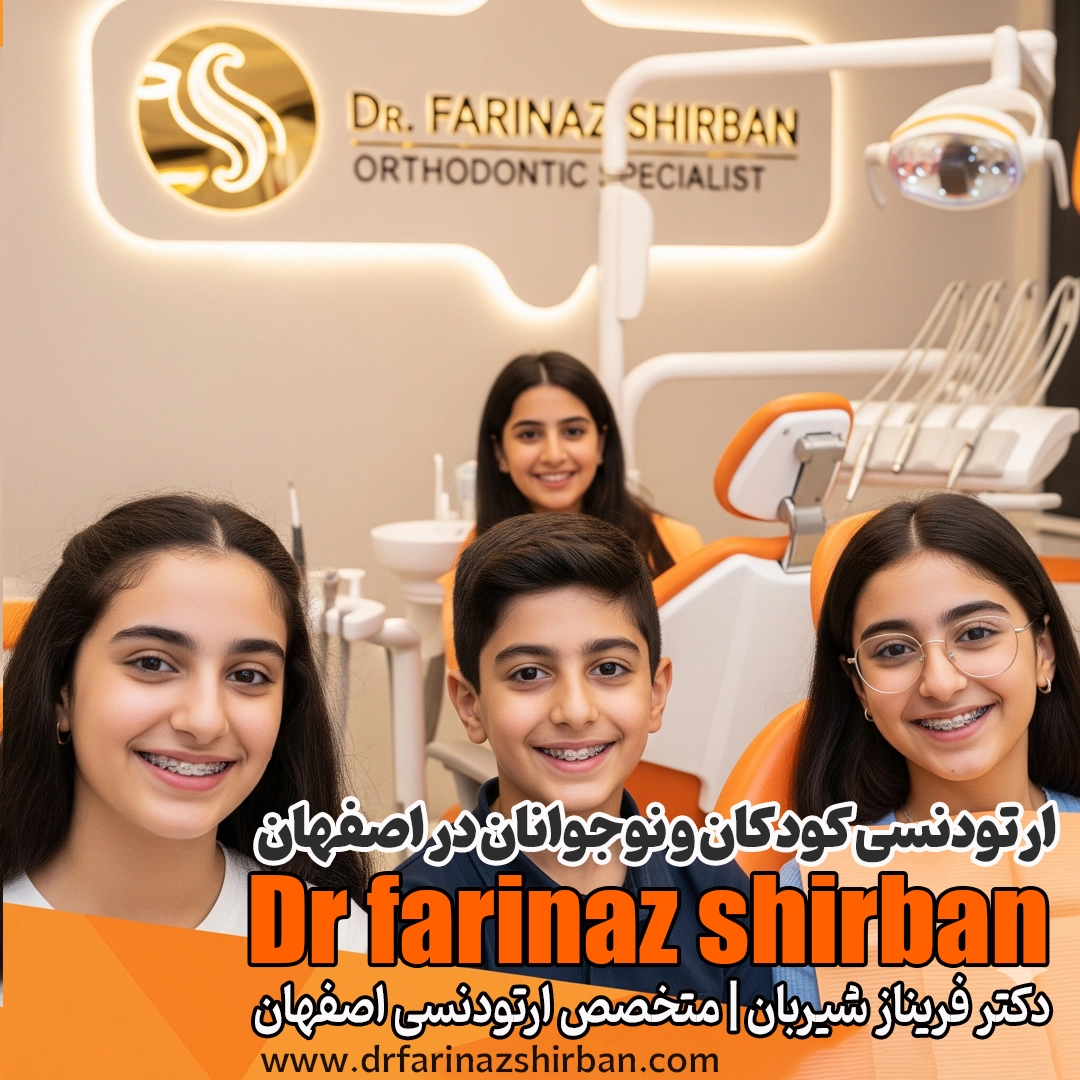
- For teenagers, starting orthodontics is usually between the ages of 11 and 13, and the focus is on straightening the teeth.
- Orthodontic age in adults; There is no definite age limit; Orthodontics is possible at the age of 20, 30, 40 and even 50 years, of course, taking into account the health of the gums and jawbone.